I am at the airport waiting for a layover so I’m going to write the first post about my post-college Eurotrip with friends! One week after graduating from college, I am setting off to visit Venice, Florence, Rome, Athens, and Barcelona with a short stop in Geneva.
On one hand, I feel like this has been the most last-minute-planned trip ever (usually I travel with my mom who always plans very far ahead), but on the other hand, this was one of the my most well-planned trips because it’s one of the first times I’ve had to plan an entire trip on my own, booking flights and accommodations and budgeting and everything. (I have a very detailed and fancy spreadsheet with all our travel plans)
Very excited about setting off and seeing what the next two weeks have in store!
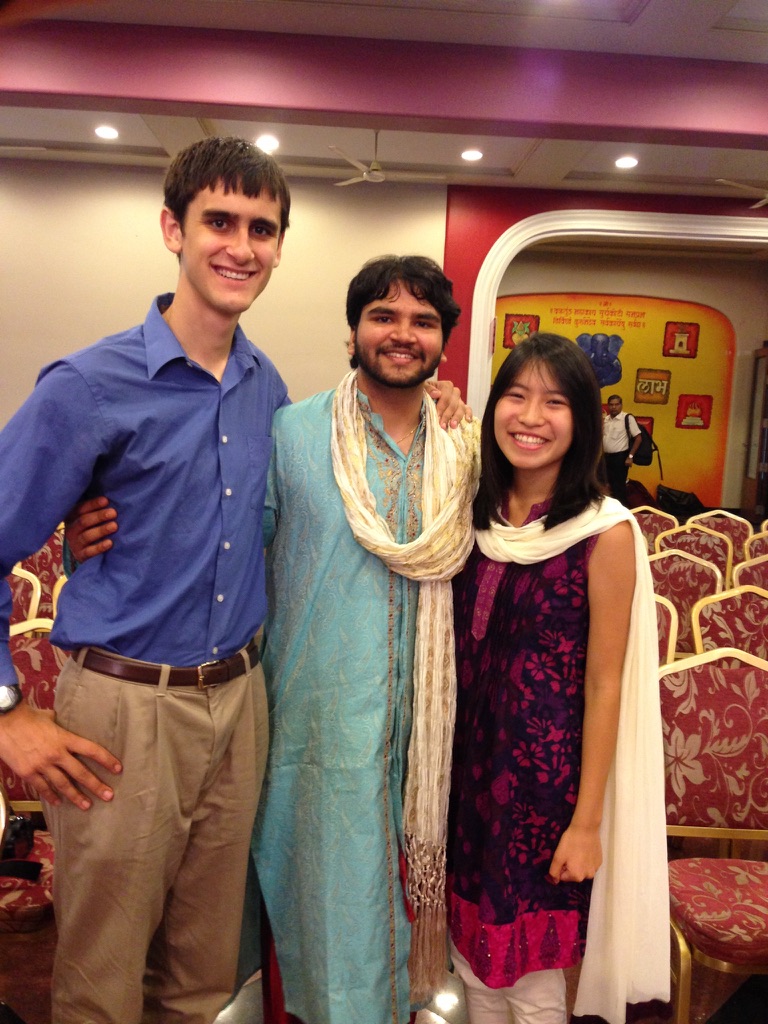
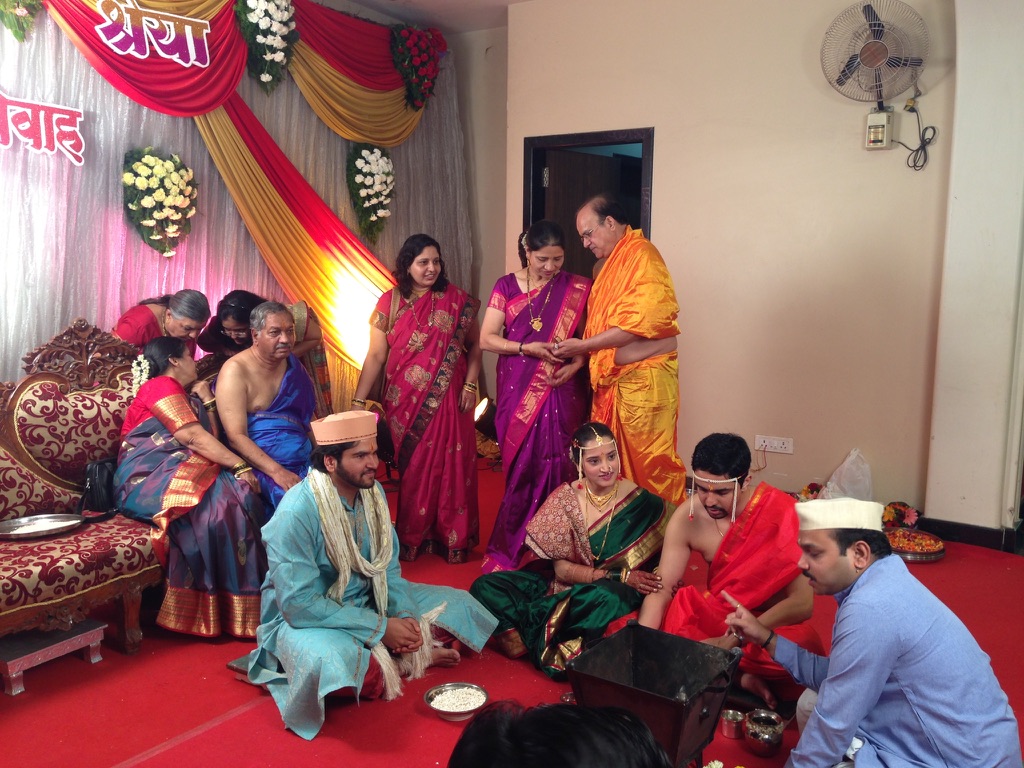
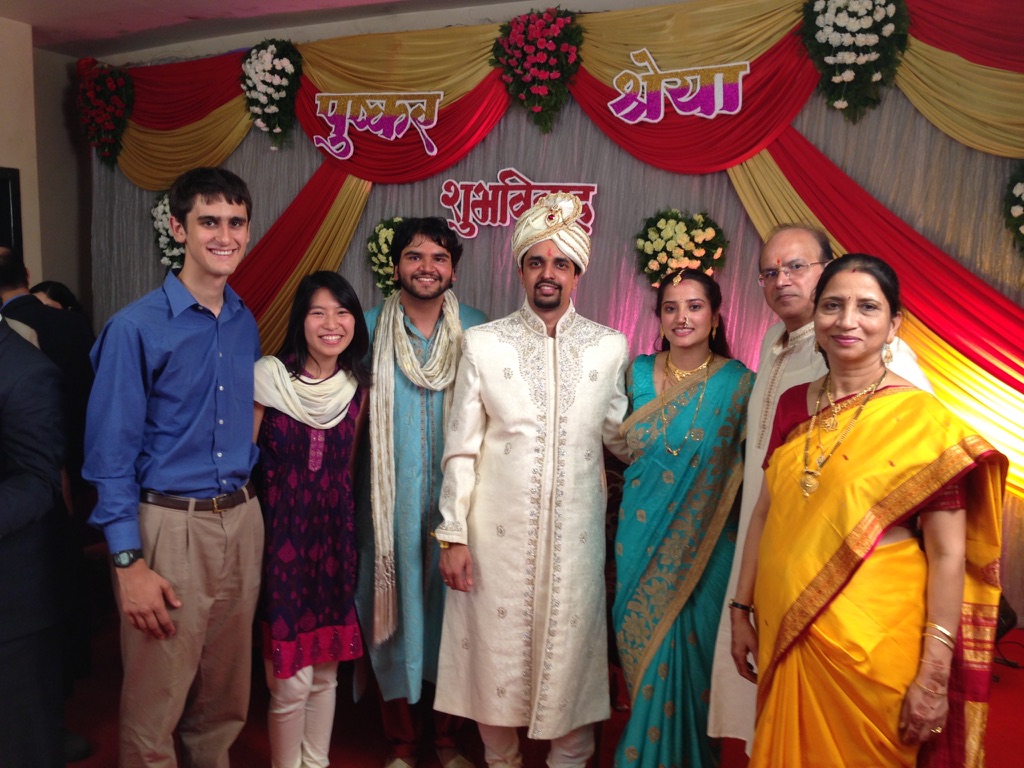
In a very funny coincidence, our friend Pulkit happened to be in India for, of all things, his sister’s wedding. And somehow, despite never having met his sister, when we mentioned we were in the area he was like “come to my sister’s wedding!”
Matt and I had obviously never been to an Indian wedding before, so we said “why not” and traveled to Pune to attend Pulkit’s sister’s wedding.
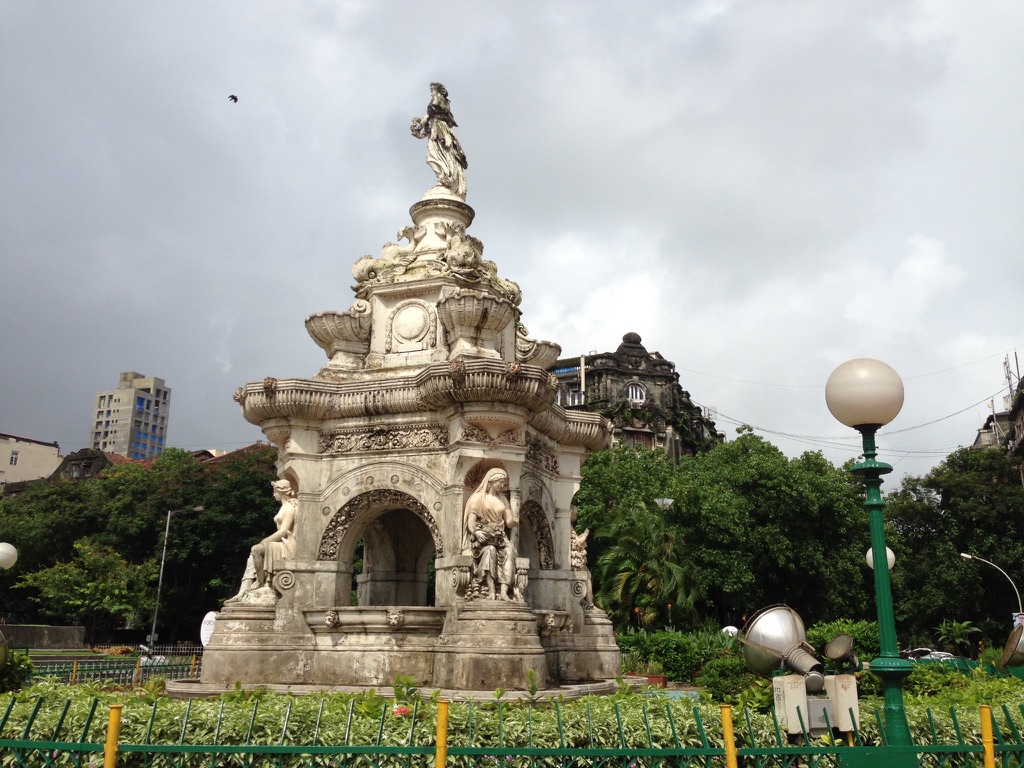
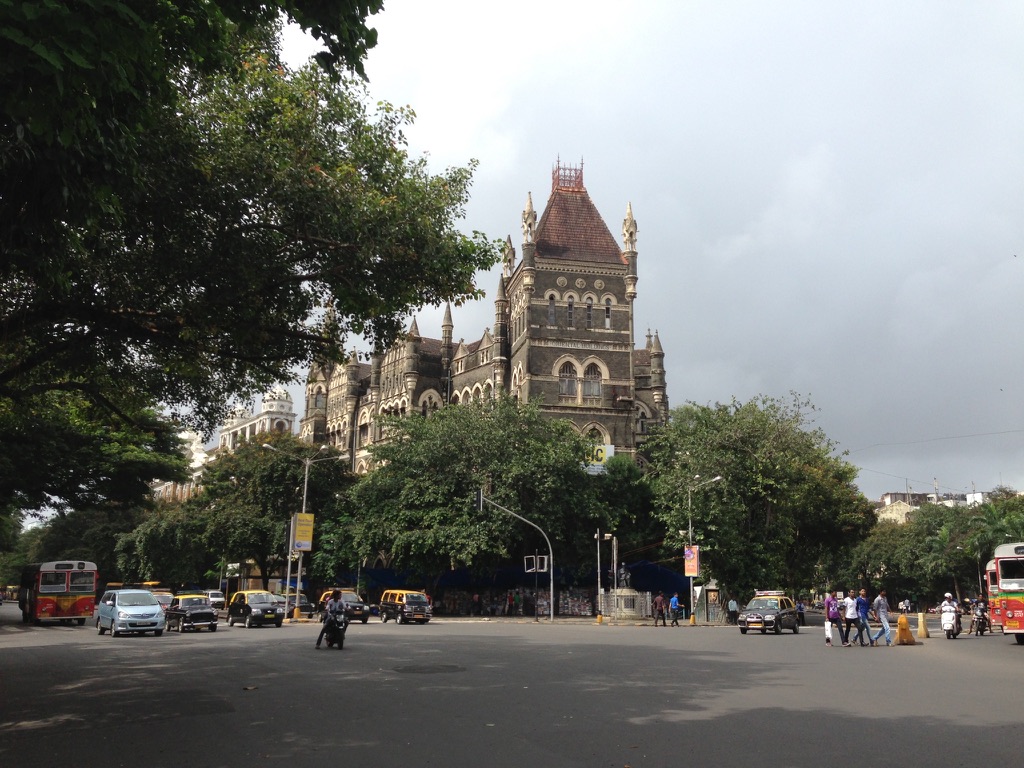
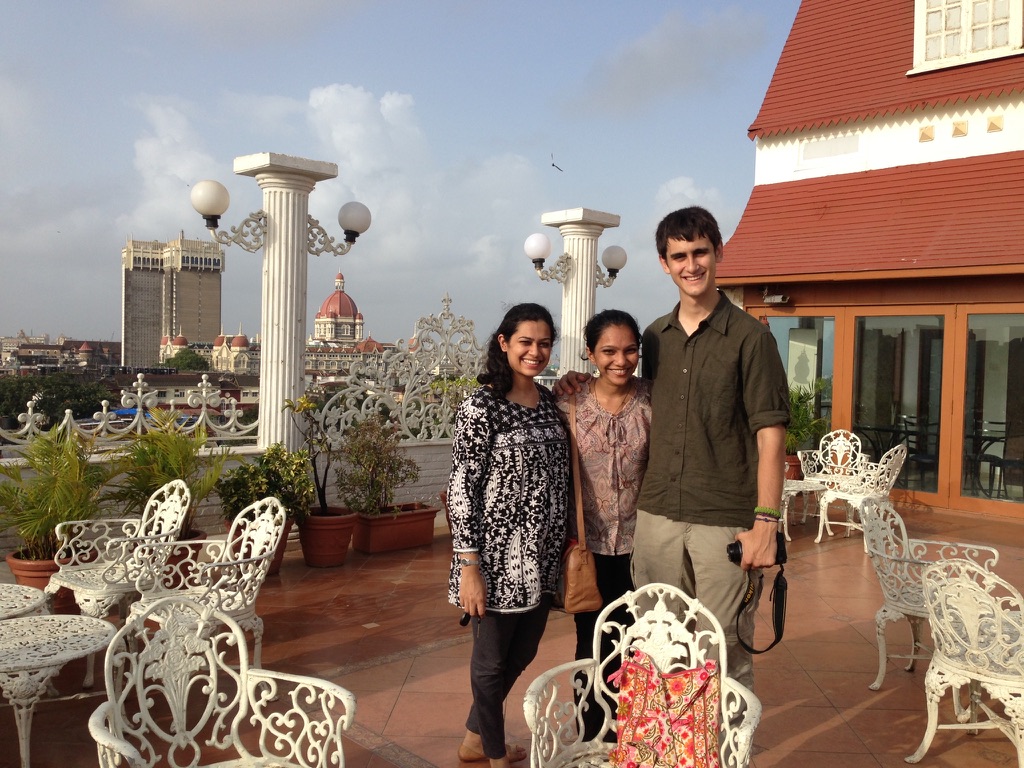
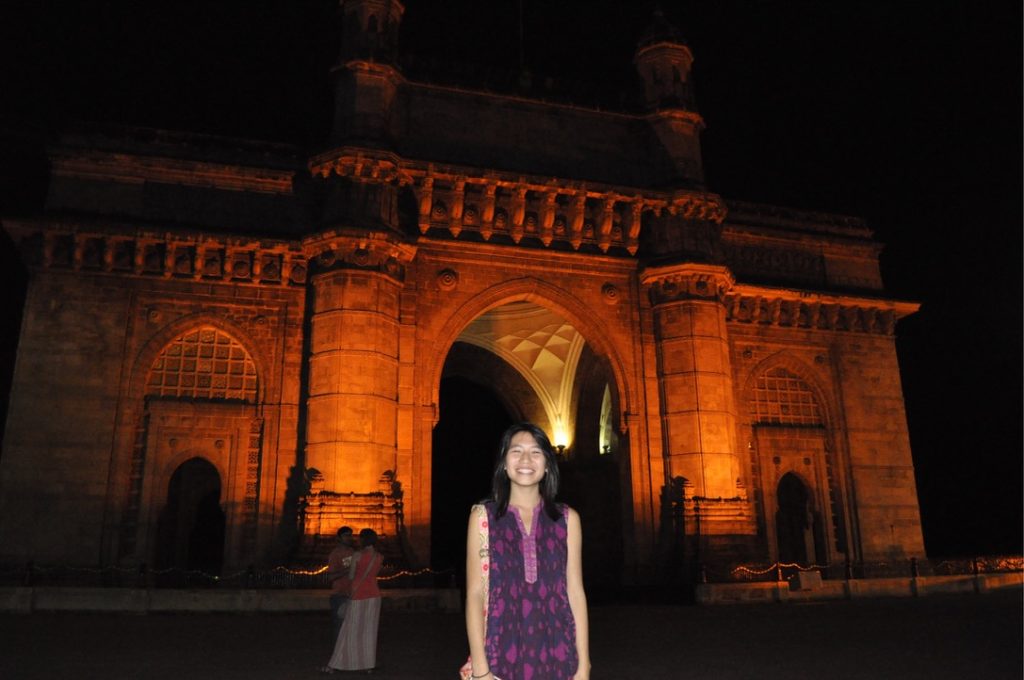
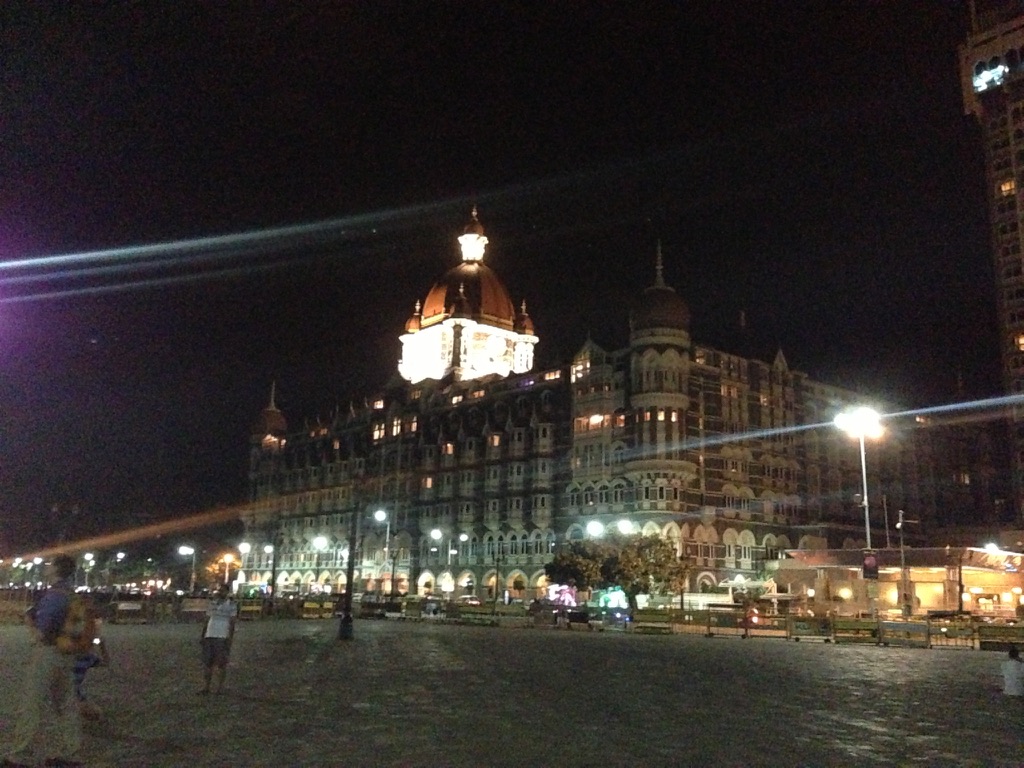
Pune is a short train ride away from Mumbai so afterwards, we spent the rest of the weekend exploring Mumbai
I ended up getting horrible food poisoning and getting a huge fever while we were in Delhi so missed out on a lot of the fun activities the Harvard group had planned for us (including spending a night in a village with some local families). Even worse, somehow the hotel’s air conditioning also broke so I ended up stuck in 100+ degree weather in Delhi, running a fever, in an incredibly hot room. I ended up sleeping for almost 24 hours and then woke up the next day after the others returned and was back to normal.
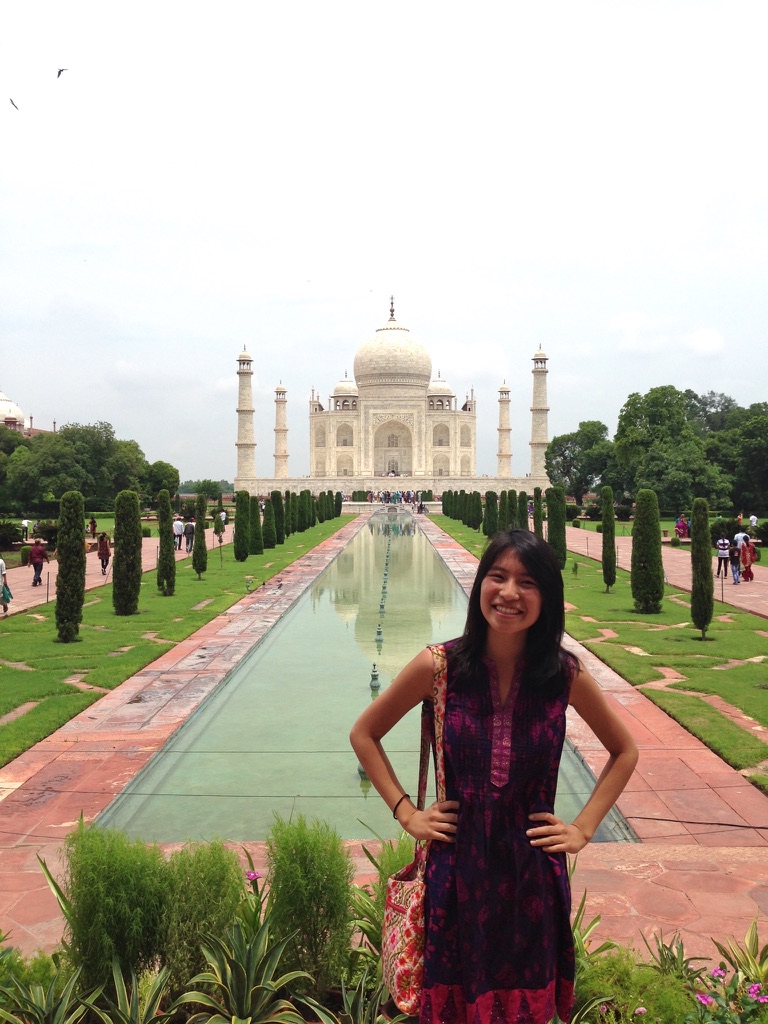
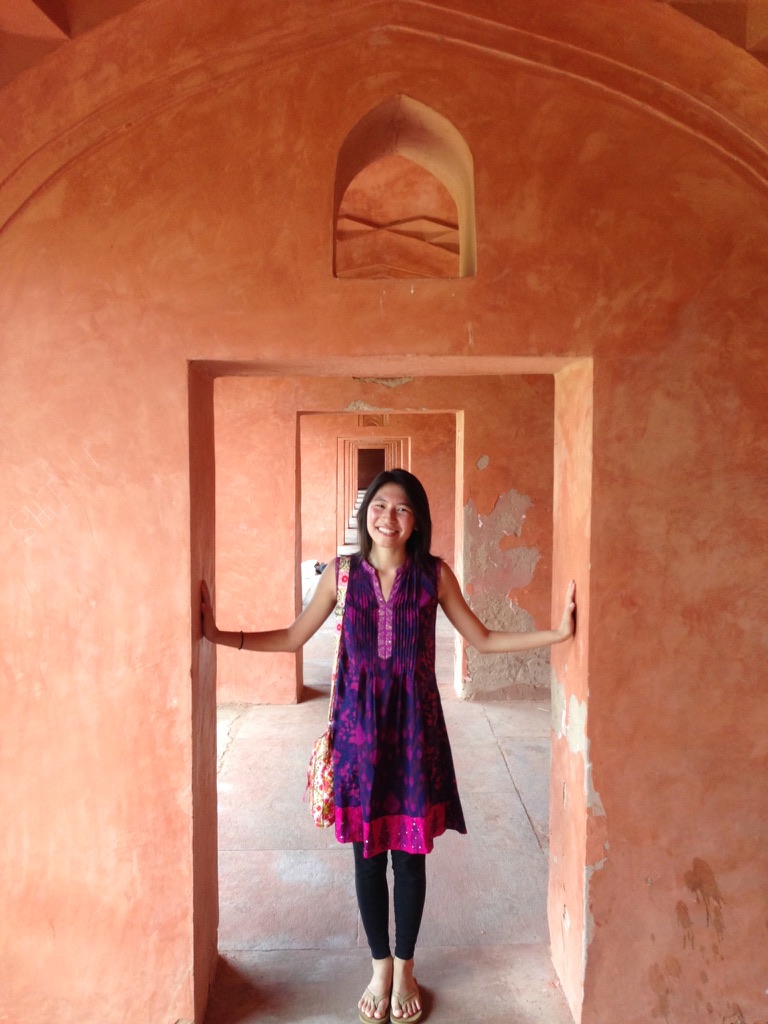
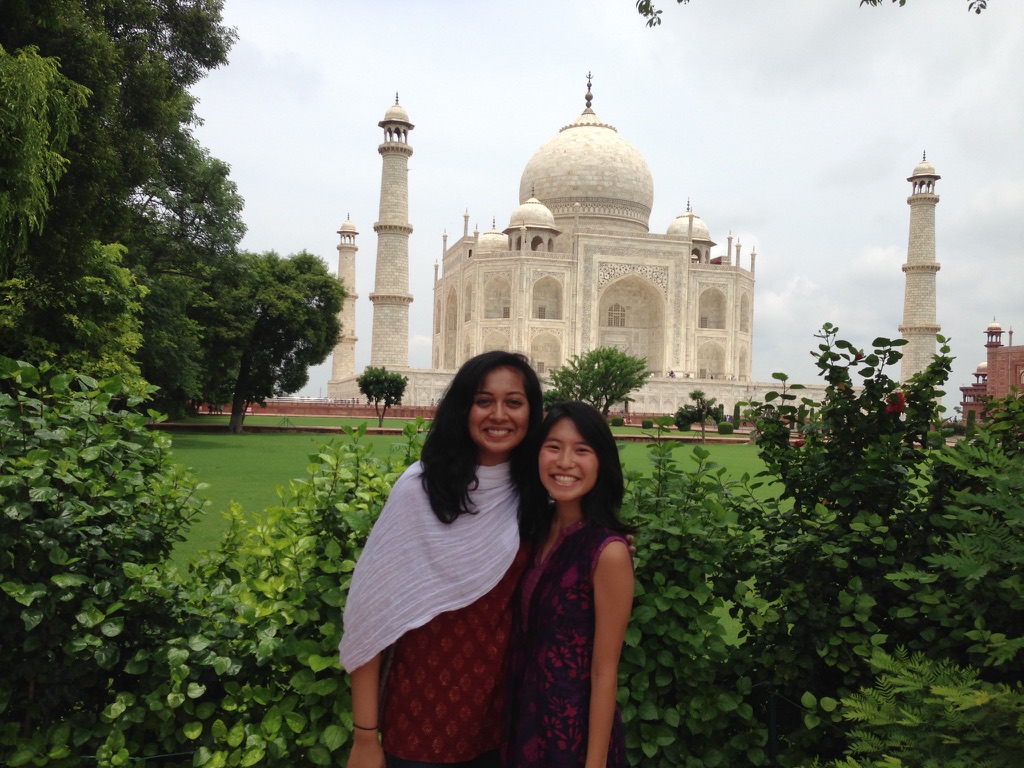
Next up is a quick trip to Agra to see the Taj Mahal, and it’s as beautiful as ever:
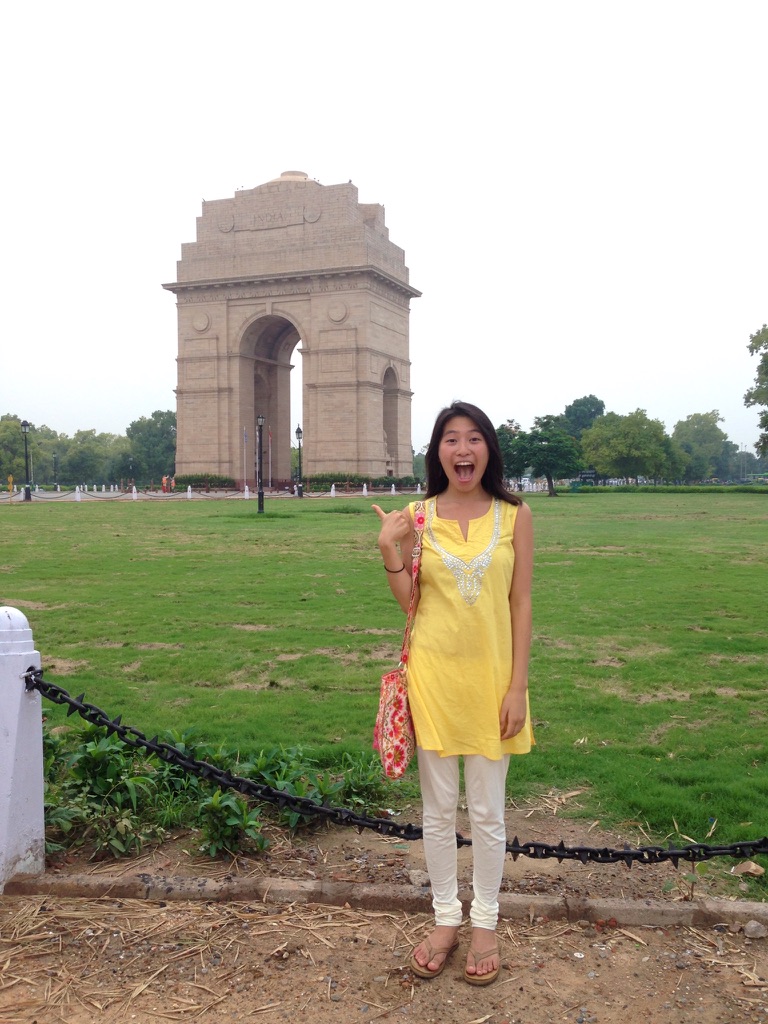
Almost every tourist that comes to India travels to what is known as “The Golden Triangle” formed by the three cities: Delhi, Agra and Jaipur. These three cities have some of the most recognized and well-known architecture (like the Taj Mahal) and the oldest history in all of India (Delhi is also the capital of India).
As part of a cultural immersion experience, Harvard’s South Asia Institute (which funded our trip this summer and holds many events for students and alums both at Harvard and abroad) organized an immersion week for all the Harvard students in India this summer.
For the first leg of our trip, we flew into Jaipur and spent two days seeing some really incredible architecture and also seeing our friend Namrata who we knew from Ghungroo and whose family lives in Jaipur.
We were lucky enough to have Namrata show us around on the first day, visiting the City Palace, doing some shopping (and Namrata helping us bargain!), and visiting her home and eating some great food prepared by her mom!
Jaipur is known as the Pink City because all the buildings that are part of the old city are pink colored!
Later at night, we went to Chokhi Dhani, which is this cool tourist village that is made to resemble a real Rajasthani village but has lots of cool performances, music, games, food, and activities.
We got to ride an elephant and a camel at the village!
We had an awesome day with Namrata!
The next day, we visited some of the forts and palaces further away from the center of the city. There are so many cool forts and things in Jaipur but we unfortunately didn’t get to see all of them. The main one was Amer Fort which is a up on a hill and surrounded by really pretty mountains and lakes.
Around the fort, we saw some walls that were going up the mountain (we thought they looked like the Great Wall of China, so we just called it the Great Wall of India because we didn’t know the real name). Matt and I climbed up the wall and got a very cool view of Amer Fort and the surrounding area from the top!
On our way back to the city before we had to catch a bus to take us to Delhi, we also saw the Water Palace – a very cool old palace that was built on a huge lake!
After a great last lunch with Namrata in Jaipur, we (very hurriedly) dashed off to catch our 6 hour bus to Delhi.
Overall, I think Jaipur was one of my favorite cities that we visited in India so far. It has really cool architecture, is not extremely chaotic like many other large cities (or at least seems to have an order to the chaos), and has so much history. The only down side? Like all the other points of The Golden Triangle, it’s VERY HOT. Rajasthan definitely lives up to its reputation as a desert state!
We thought our trip to Hampi last weekend was planned very last minute, but our trip this weekend to Kerala ended up being even more hastily planned that we ended up booking our buses through a travel agent.
The trip started off with so much stress because as we were planning to leave on Friday night on our overnight semi-sleeper bus, we realized at about 8:05pm that our bus tickets were for 8:45pm, not 9:45pm like we originally thought. So at 8:05 we set out with the impossible task of getting to the bus station an hour away. On the road, Matt called the driver and convinced him to wait for us and we luckily made it onto the bus in time and were able to grab a couple bags of chips and some bananas because we didn’t have time for a proper dinner.
The ride was reasonably smooth and when we arrived the next morning we found a rickshaw driver who was willing to take us to Fort Cochin – which we thought was going to have a fort but turned out there wasn’t a fort at all. Cochin – or Kochi as it is commonly known – is a very lovely coastal town by the Arabian Sea. My first impression of Kochi was that it really reminded me of Key West – the climate was pretty hot and humid and the palmtrees and seaside views were all very similar to the look and feel of Key West.
Because of its location by a port, Kochi was one of the first settled colonies and has very heavy Portuguese, Dutch, and British influence. Today, it is a pretty big tourist spot but still has pretty active shipping and fishing industries. The entire region in this part of Kerala is also in general known for its beautiful backwaters, a set of rivers and canals that are home to many tribal peoples and “house boats” that take tourists on daytime or overnight river cruises.
After finding a place to stay and getting settled in, we found a rickshaw driver who offer to take us around the city for only 50 rupees! It sounded too good to be true. Sure enough, he brought us to the church where Vasco de Gama, the first person to sail from Europe around the tip of Africa to India, died and was buried. We visited a Dutch Palace and some other main landmarks. After visiting all the tourist sites, the rickshaw driver started driving us to lots of commercial, specialty and antique shops. It turns out the driver gets money from these shop owners for driving tourists to the shops. Most of them were very nice, even though they sold pretty much the same things (wooden carvings, silks, tapestries, and other souvenirs), but we were happy to entertain the rickshaw drivers and go to all the shops because they were air conditioned, and the rickshaw drivers were happy because they could get their money.
One of the cool places the rickshaw driver brought us to was a ginger-processing warehouse. The minute I walked in, the strong sting of ginger filled my nose and it was mildly uncomfortable. But there were these women who were filtering the ginger and putting them in huge piles to be packaged and sold. We didn’t stay too long because the smell was pretty uncomfortable, but it was still pretty cool!
Smelling spices at a spice market:
After getting a tour of the city, we were starving. The rickshaw drivers had dropped us off at a very fancy-looking restaurant, but we tried to avoid the expensive restaurants aimed at Western tourists and found a very nice little restaurant overlooking the water.
After lunch, we took a ferry across the water to a small island called Vypin. There wasn’t too much happening on the island, but we managed to find a pretty nice beach, wandered around the beach for a bit and had dinner nearby.
Cherai Beach:
The beautiful palm trees and waters of Kerala:
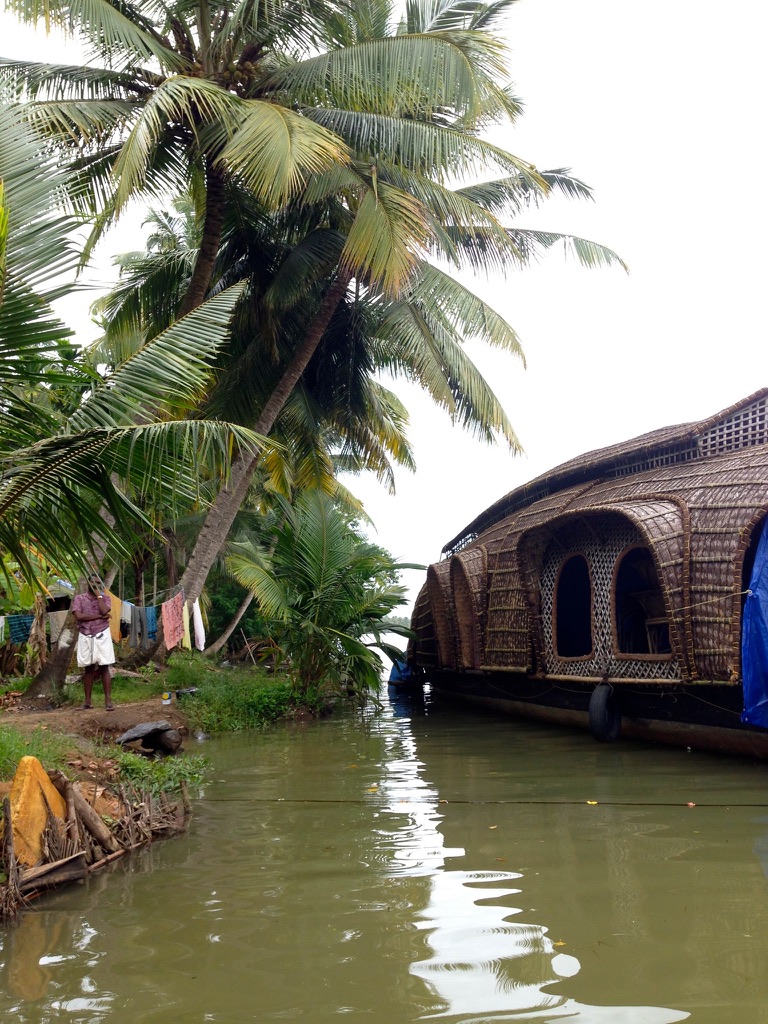
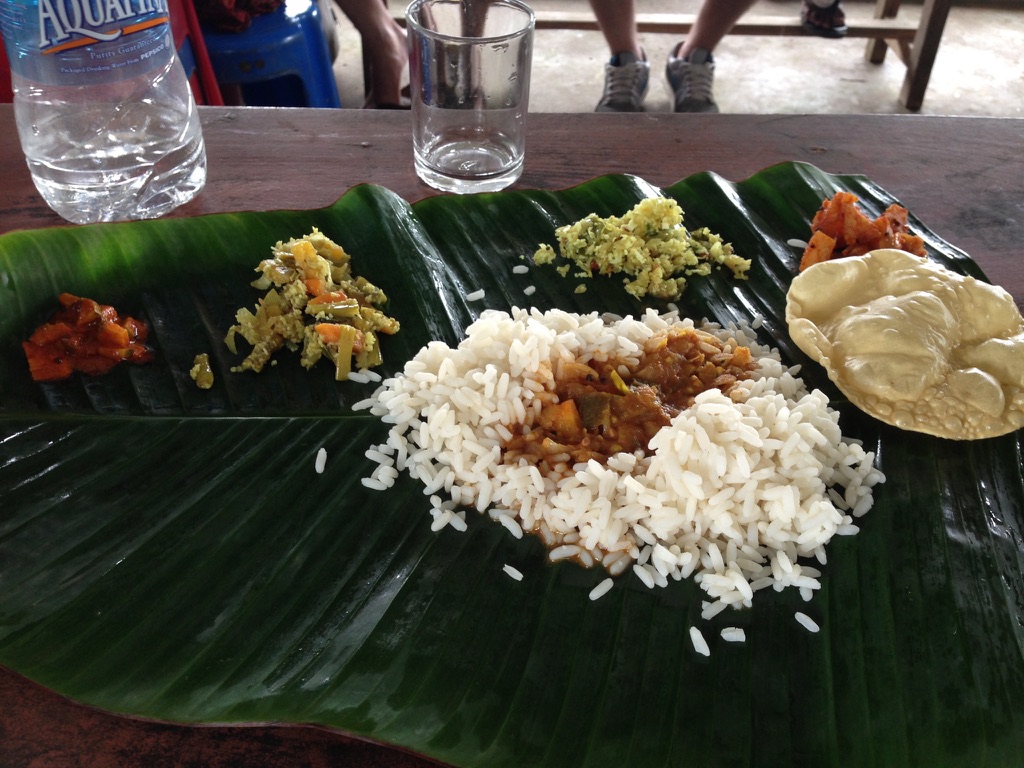
The next day, we got a one day boat cruise package that took us on a boat ride through the backwaters of Kerala. The boat was non-motorized and basically moved by two men one in front and one in back pushing the boat with long sticks (like the gondolas in Venice). The backwaters were beautiful and we sailed through lots of little canals lined with palm trees, stopped to see how some of the tribal peoples who settled along these canals lived, and had a nice lunch. It was generally a very relaxing day and after a snack and a few games of cards back in the seaside restaurant in Kochi that we ate at the day before, we were tired and happily on a bus back to Bangalore.
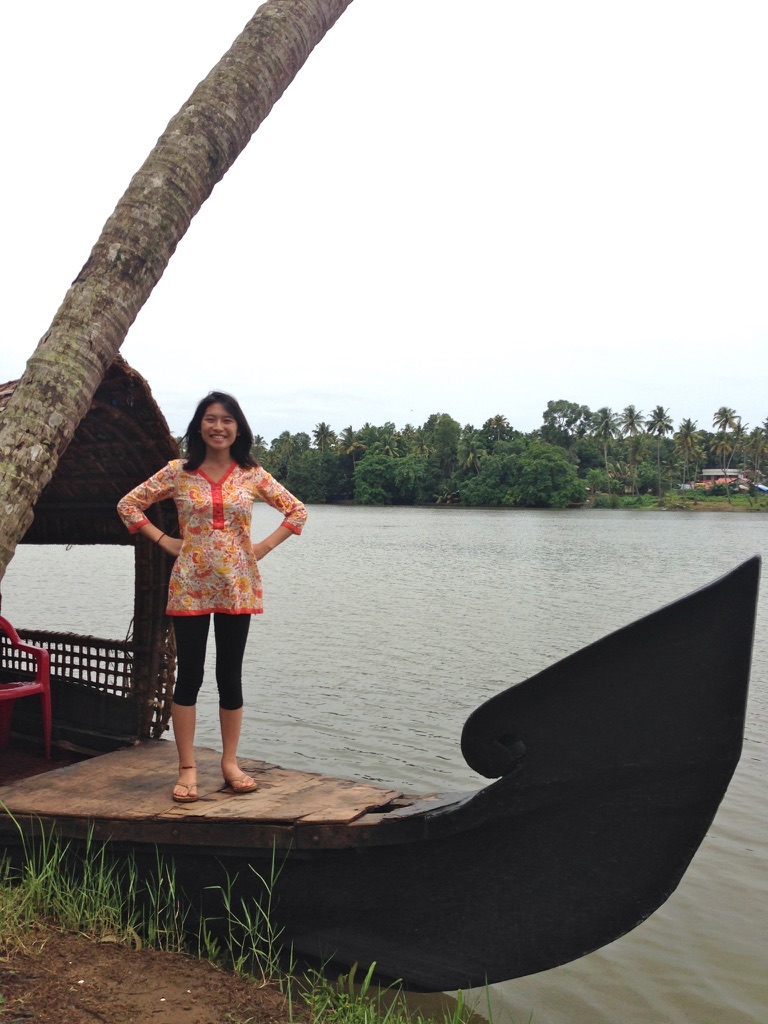
The boat we rode along the canals of the backwaters of Kerala:
Thinking back on the trips we’ve been taking the past few weekends, I’ve been really amazed at how little we’ve had to spend. The bus tickets have been costing about 2000 rupees round trip ($40), we’ve been able to stay at reasonably comfortable, though still on the cheaper end, living accommodations in these cities for about 200 – 300 rupees (about $5) a night. Food hasn’t cost more than 200-300 a meal, though we often are able to eat for much cheaper, so in general we’ve been spending less than $80 each weekend – which is pretty sweet! Next on the list is Delhi for a Harvard-organized trip with Harvard’s South Asia Institute, the ones who funded our project for the entire summer. We’ll get to meet up with a bunch of the other Harvard students who are here for the summer from all over India as well as meet some alums who live in the country. Stay tuned!
At the temple in Hampi, we got to play with a cute little elephant named Lakshmi. We had read about her in the Lonely Planet and weren’t really expecting to find her, but when we arrived, sure enough, there she was! In exchange for a 10 rupee note, she gave you a blessing on your head. We hear that if you come by the temple early enough at 7am, you can see her taking a bath in the river! But we didn’t come by early enough unfortunately.
This weekend, the five of us and four of the Indian students from IISC went to a little town about six hours north of Bangalore called Hampi. A mix of ancient architectural ruins, beautiful natural landscapes, and the most breathtaking boulders, Hampi was once a bustling capital and religious center but has since become a somewhat hidden-away tourist village and UNESCO World Heritage Site. We decided to come somewhat on a whim, buying bus tickets the day before for our two day trip, but it was hands-down one of the most beautiful places I have ever been to and thus far the most fun I have had in India so far.
By the time we decided to go, we weren’t able to get train tickets anymore, so we bought overnight sleeper buses. The bus left on Friday night at 11pm and would arrive the next morning at 7am, giving us two whole days in Hampi before heading back to Bangalore Sunday night on another sleeper bus.
We didn’t know much of what to expect from the sleeper buses, but they’re actually a fantastic idea! The entire bus is arranged as bunks and each passenger gets their own bed, pillow, blanket and curtains to cover your bunk while you sleep.
The sleeper bus:
me and Stella getting ready for bed in our little compartment:
We arrived 7 hours later the next morning after a reasonably bumpy ride and a decently good night’s sleep ready to explore the city, but not before we all brushed our teeth at the bus station!
We explored the city on foot the first day, visiting nearby temples, climbing up the mountains to see the ruins of temples at the top.
The temple ruins set against the landscape of rivers, palm trees, and red-orange bouldered mountains that popped up somewhat randomly really made the place look like Ancient Rome was dropped into a scene of Jurassic Park.
The ruins of a temple on top of a mountain:
The main tower of Virupaksha Temple in the center of the city seen through the ruins of a small temple:
In the evening, we climbed to the top of a mountain to the sunset point to watch the sun set. We found the ruins of this cool two-story temple that looked like it could be from an Escher painting and managed to climb to the second floor from this rock that was next to it.
Watching the sunset from the top of the mountain:
The next day, we rented motor bikes to explore some of the temples that were further away from the main part of the city. It’s amazing, but it seems like they didn’t require licenses or anything for people to rent these! Nevertheless, it was my first time riding a two-wheeled motorized vehicle and I was pretty nervous. And apart from almost running over a rooster and kind of driving into a bush, I’d say I did a fairly good job on them!
These motor bikes were by far the best part of the weekend. We whizzed around from site to site at up to 50 km/hr and explored some pretty exciting off-road places down dirt paths that few people were able to get to.
The architecture and ruins were all amazing! I love all the arched motifs and tuscan-orange colors!
But my favorite part about Hampi was by far the orange boulders that looked like they could’ve been dropped onto Earth from Mars. It was such an incredible weekend. We got back to Bangalore on Monday morning exhausted but having had the most amazing weekend ever. Hampi is definitely going to be on the list of places I’ll recommend to anyone visiting southern India in the future.
That pretty much sums up this past week our team spent visiting a tribal village hospital on the mountains near Biligiriranga Hills (or BR Hills). An NGO called Karuna Trust runs a school and medical clinic in this area, where many tribal people have lived a very simple lifestyle for generations, largely removed from the outside world. In these tribes, the children often do not get proper schooling, there is very sparse running water and electricity, and the people of the tribes, when they fall ill or get bitten by a snake for example, will often go to the temple and pray instead of to a hospital to get treated because of the general distrust of modern technologies and hospitals. Karuna Trust and a few other NGO’s have come into some of these tribal villages and built schools and medical facilities. We have decided to come spend four days at BR Hills to learn more about the medical practices and technologies being used in these rural settings.
Outside the Karuna Trust office in Bangalore before setting out for the village
When we arrived, we were shown around the settlement that was built by the NGO. The main campus consisted of a school and small medical clinic. There were also living quarters and a dining hall where the tribal kids, who attended the school and received room and board free of charge, lived. The ones who lived close by would walk or commute to the school, but others lived far away and to avoid having the kids walk up mountainous roads to school each day, many of the kids lived at the school. We were shown to one of the little bungalows in the yard where the kids all lived.
Outside our room:
Our room consisted of three beds, a single lightbulb hanging from the ceiling that lit our room at night, a tiny bathroom with a toilet and a faucet coming out the side of the wall. We soon discovered that when we turned on the faucet, water didn’t always come out. After the first night, it became fairly clear that a shower was not going to happen. The first night was also freezing cold. We were given a small wool blanket, but I was woken up a few times throughout the night from sheer coldness. When water came out of the faucet in the morning, it was also freezing cold. Stella and I made up our mind right then that we weren’t going to shower for the rest of the time we were here.
Mealtime at the village was also such a spectacle. All the kids sit lined up on mats on the floor, girls on one side and boys on the other.
All the kids have their own metal plates that they bring to the dining hall each meal. We didn’t have plates, so we ate off of banana leaves that were dried and made into a make-shift plate.
Servers come around with metal buckets of rice, vegetable curry, sauce and bread and the kids wait till everyone’s been served, then they all sing a prayer in unison and dig in with their hands!
Mealtime at the village
The first day or so we were there, we visited all the facilities, the school, and the medical clinic.
The kids sitting in class, with girls on one side and boys on the other.The team at the entrance to the village
In general, the fruit here has been delicious! I had jackfruit, this really delicious fruit that comes out of a huge spikey shell, but tastes really sweet like a combination of mangoes, pineapple and durian.
The mangoes were also delicious!
On the first day, we also visited a temple at the very top of the mountain. The surrounding area was so beautiful!
The second night, the kids put on a show for us. There was dancing, singing, and poems recited. We didn’t understand most of it, but it was very exciting to watch! Then at the end, they asked us to perform something too! So we sang the “if you’re happy and you know it” song with Stella, Richard, and Sarayu (a girl we met here who’s pre-med and from New Jersey and also visiting and observing at the medical facilities in preparation before medical school next year), and we taught the kids the clapping part so they could clap along.
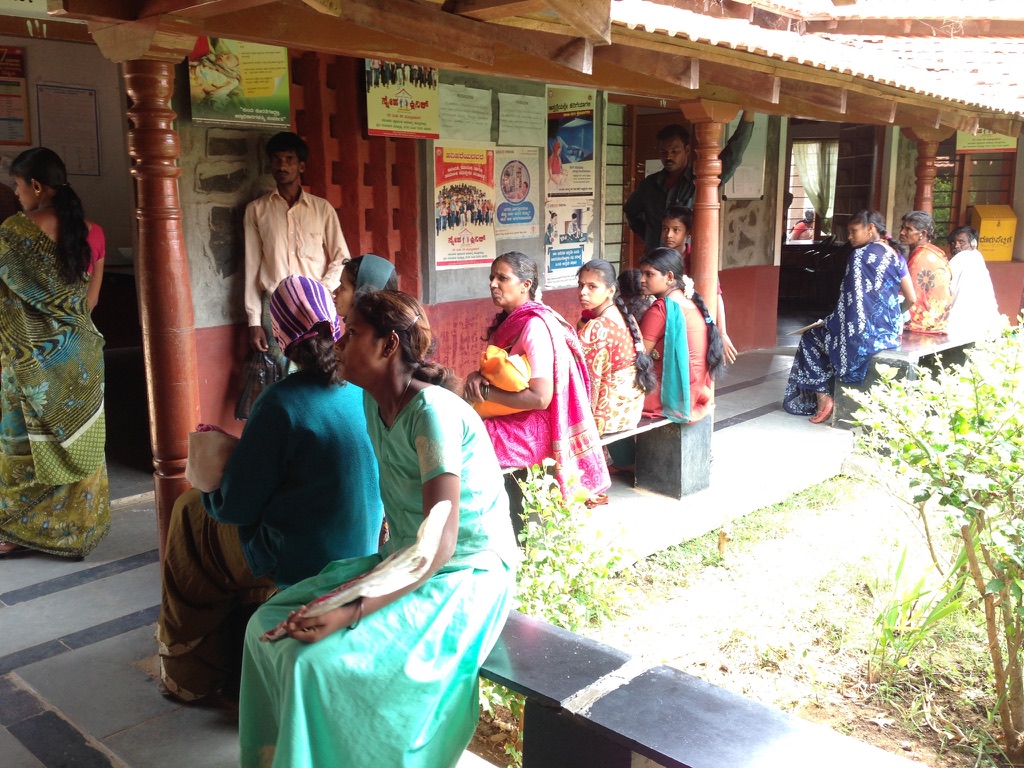
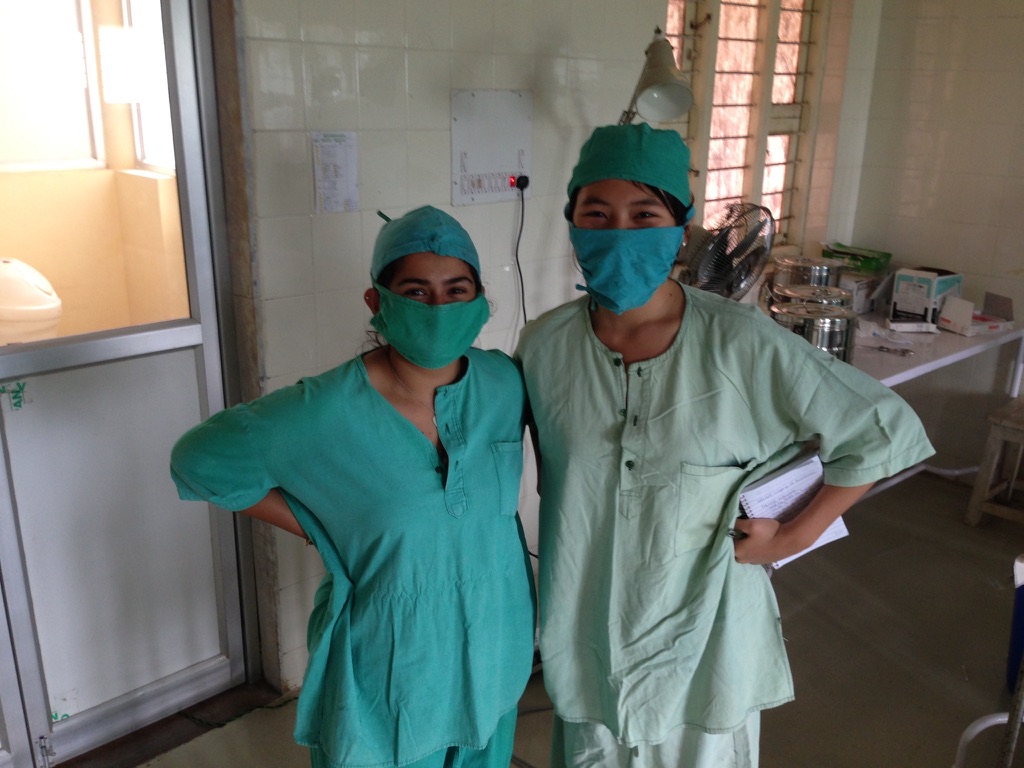
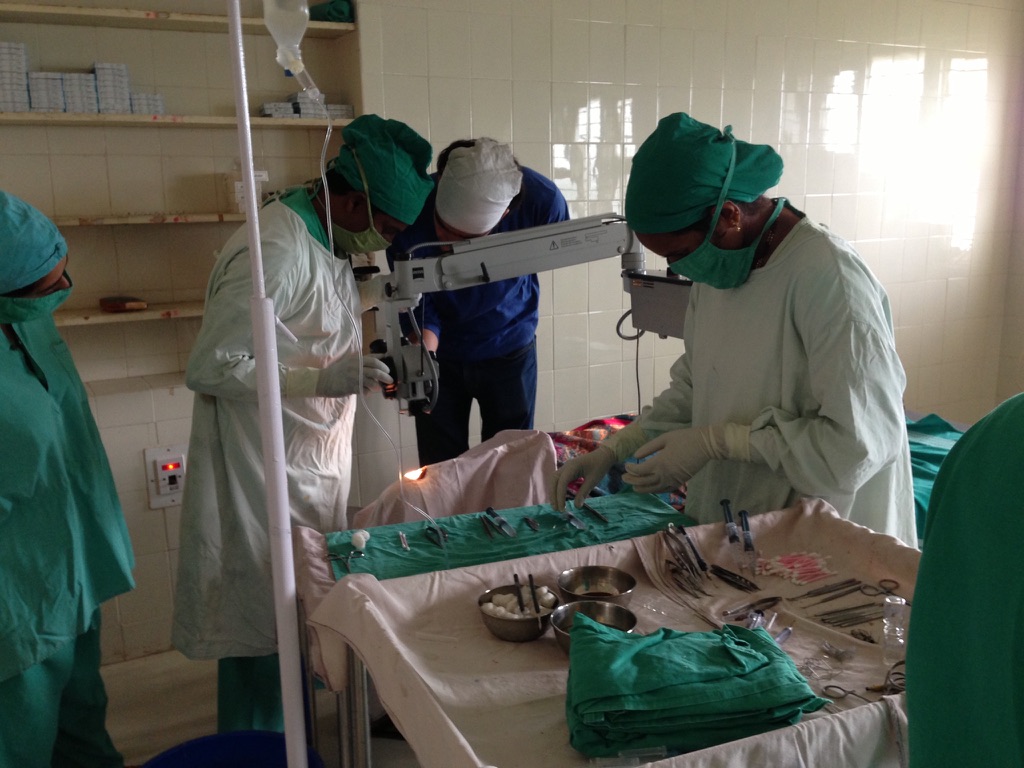
The next few days, we visited the larger public health center (PHC) at the base of the mountain in Gumballi where they generally had more doctors and surgeons on call. I will write more about that in the next post.
With some of the tribal kids who live in the development
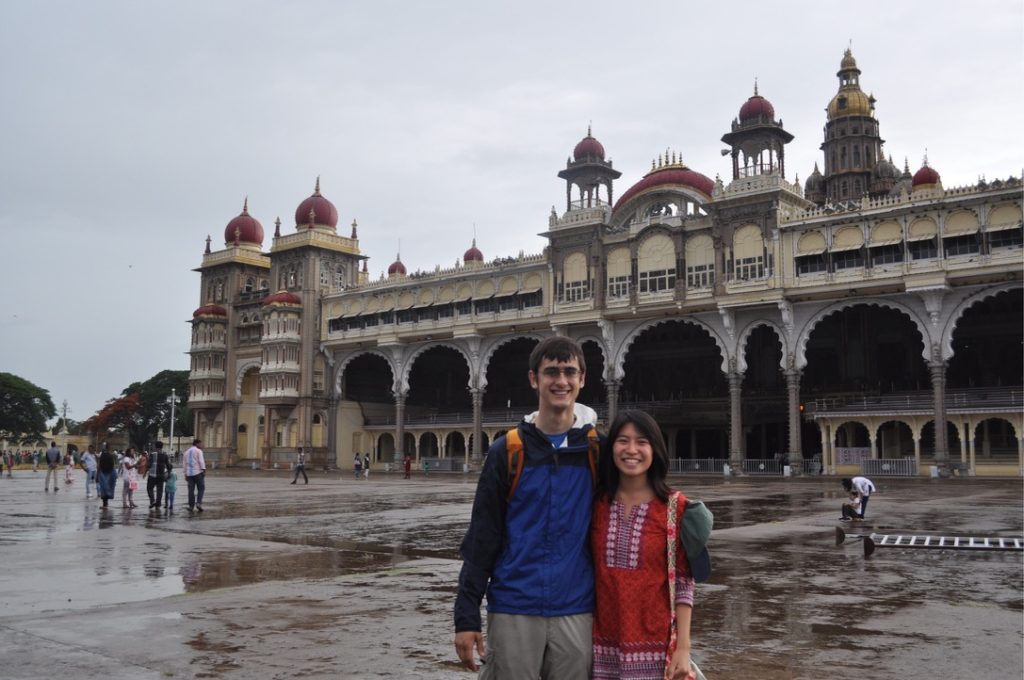
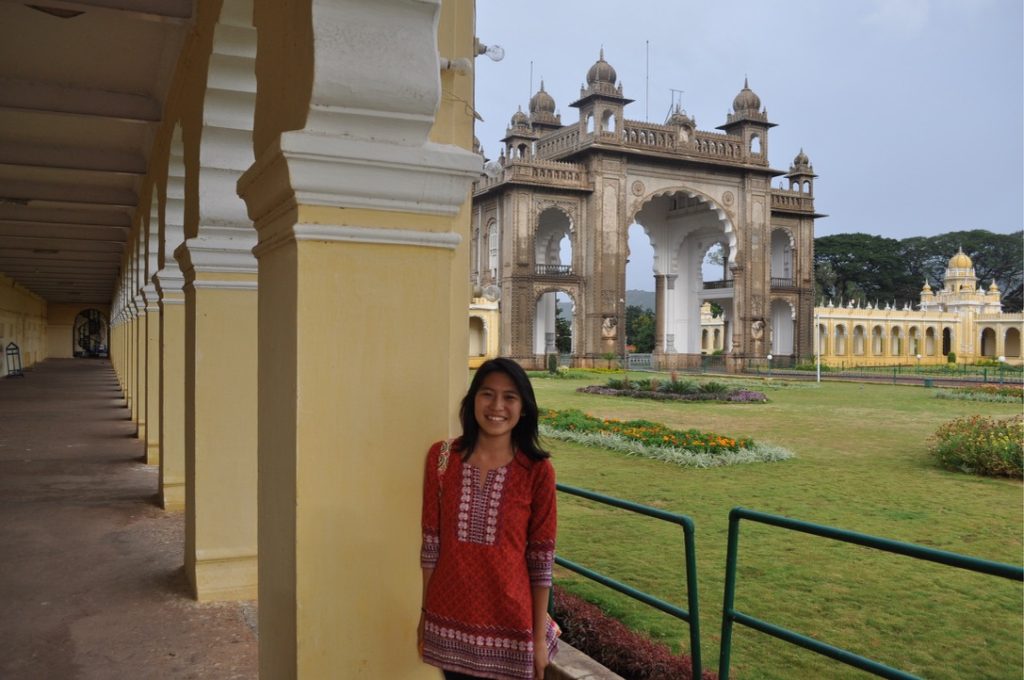
We visited a small city called Mysore today where there is a really beautiful palace. It was about a three hour bus ride away from Bangalore, so we set out early in the morning for a day trip to visit the palace and surrounding city.
The trip there was pretty long. We took two local buses before we reached the station where we could take a bus to Mysore. In India, there are options for air conditioned as well as non-air conditioned (therefore cheaper and not as comfortable buses). We took the air conditioned one and it turned out to be a really comfy bus with seats that reclined almost all the way. I, therefore, took a very nice three-hour long nap on the way there 🙂
When arrived in Mysore around 1 and had lunch at a local restaurant, and then we found these horse-drawn rickshaws that took us from where we were to a silk factory and then to the front gates of the palace all for 20 rupees (about a third of the cost of our lunch that day).
The silk factory was beautiful and had so many colorful pieces of silks to make saris, scarves, and other clothes. Mysore is known for producing silk but it was a little on the expensive side, so I didn’t buy anything – I just liked looking at the pretty colors!
On the ride from the silk factory to the palace, it started pouring. But the rain and the rickshaw made for a very fun ride!
We got to the palace, and the tickets were 40 rupees for regular adults, but 200 for foreigners – they didn’t even try to be discrete about ripping foreigners off! Haha but the palace was nonetheless beautiful.
We had to take off our shoes to go inside and we weren’t allowed to take photographs inside. Richard tried to secretly take a photo but a security guard caught him and took his iPhone away. But then Richard pulled him aside, bribed him with 100 rupees and got his phone back. I think we’re starting to get the hang of how things work in India 😛
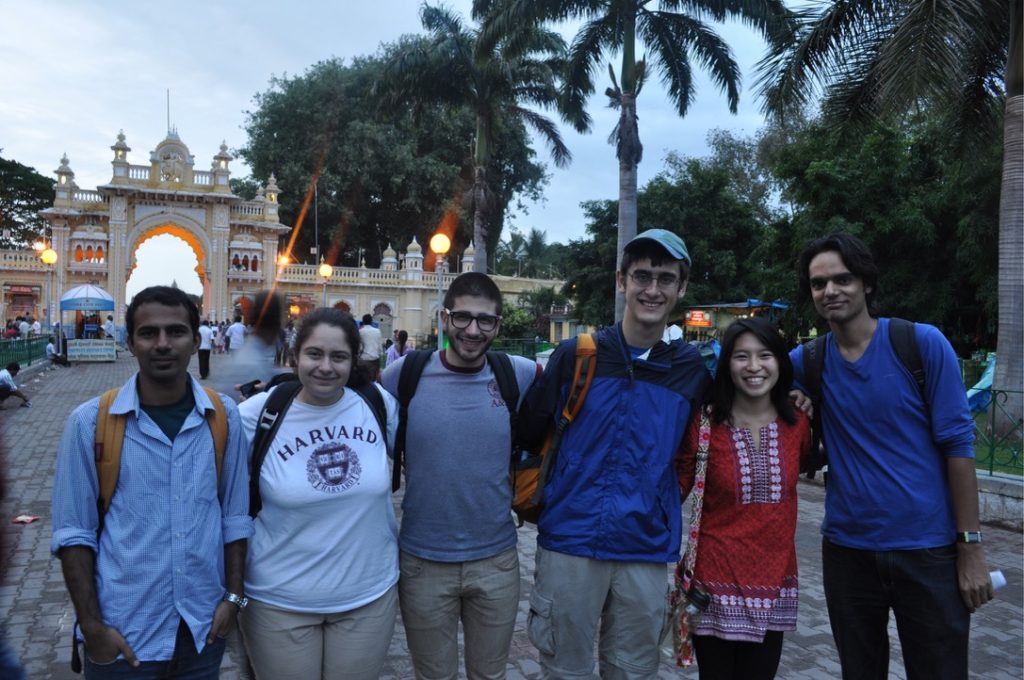
We heard that there was an amazing show at night and the palace looked really beautiful because the entire thing is lit up with thousands of lightbulbs for only a few minutes each night. But they make everyone leave the castle and buy another 40 rupee ticket just to see the show. So we did that and came back to watch the show on the huge lawn of the palace where they had set up plastic chairs. Unfortunately, about 10 minutes in, it started pouring rain. Tons of people just got up and left because of the rain. We didn’t all have umbrellas, and the show was in Kannada so we didn’t even understand what was going on, but we had to get our 40 rupees’s worth and the day we spent traveling to see the palace light up at night, so we took the plastic chairs, put them on top of our heads and stayed during for entire show.
The five minutes that the palace was lit up was totally worth it though – it was amazing!